Admin
Admin 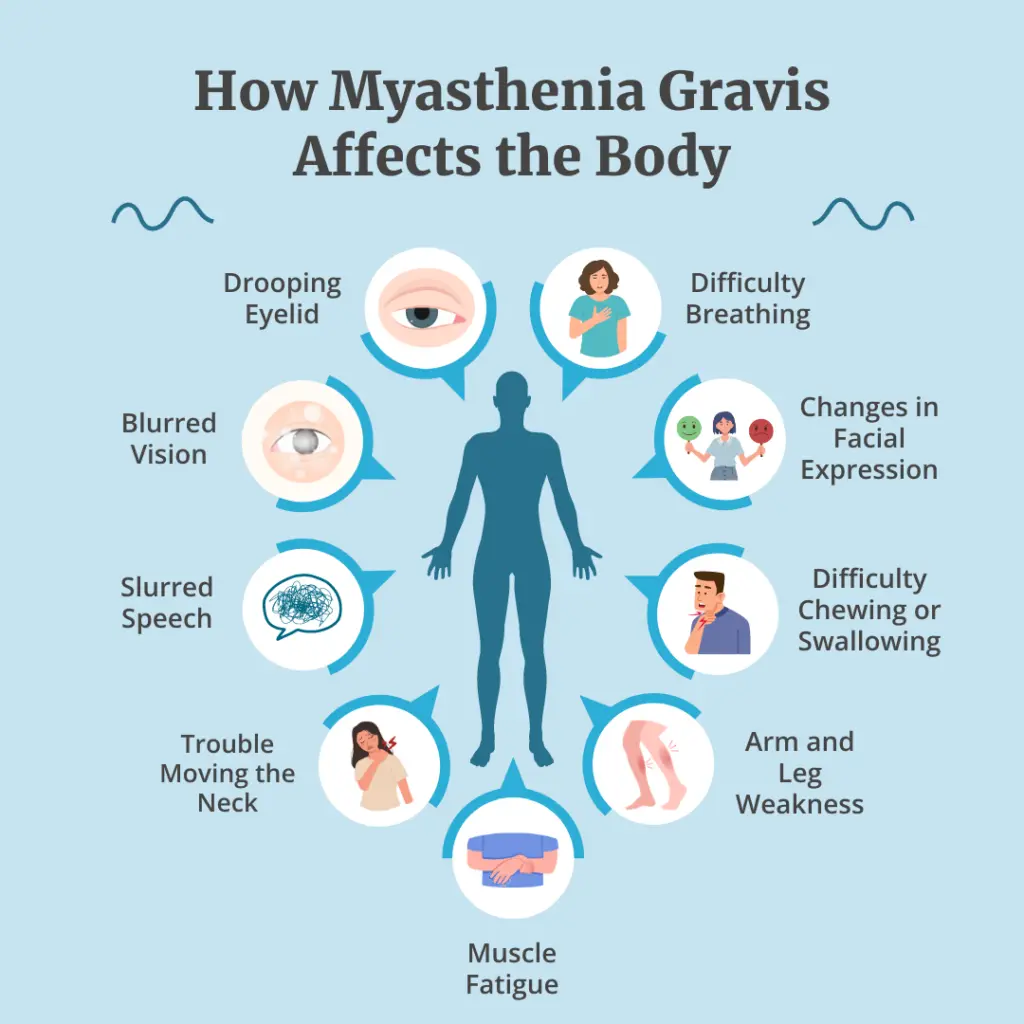
Assoc. Prof. Dr. Recep ALP
Myasthenia gravis is an autoimmune disease that can occur at any age but is more common in women aged 20-40. It is characterised by impaired transmission of stimuli from nerve endings to muscle fibres, with periods of remission and flare-ups. It involves an attack on the receptors at the neuromuscular junction as a result of immune system activation.
Myasthenia can occur on its own or in conjunction with other autoimmune diseases such as systemic lupus and hyperthyroidism. In myasthenia, the rapid breakdown and inactivation of acetylcholine is emphasised due to the destruction of acetylcholine receptors at the neuromuscular junction by an antibody.
The most typical finding in myasthenia gravis is severe muscle fatigue. Patients often report feeling better in the morning and experiencing a rapid increase in fatigue as the day progresses. In addition to obvious muscle fatigue, paralysis may also occur. Weakness of the eye muscles causes double vision or squinting.
Affection of the ocular muscles is often an initial symptom, while other significant symptoms include involvement of the facial, lip, tongue, throat, and neck muscles, ptosis, and difficulties with chewing, swallowing, and speaking.
The definitive diagnosis of the disease is made by EMG.
There are three main objectives in the treatment of myasthenia gravis.
To reduce antibody production, clear circulating antibodies, and increase the effectiveness of acetylcholine released at the neuromuscular junction.
Evaluating patients with comprehensive treatment and following up with them improves their quality of life.
 PHYSICAL ACTIVITY AND HEALTHY LIVING
Prev post
PHYSICAL ACTIVITY AND HEALTHY LIVING
Prev post