Admin
Admin 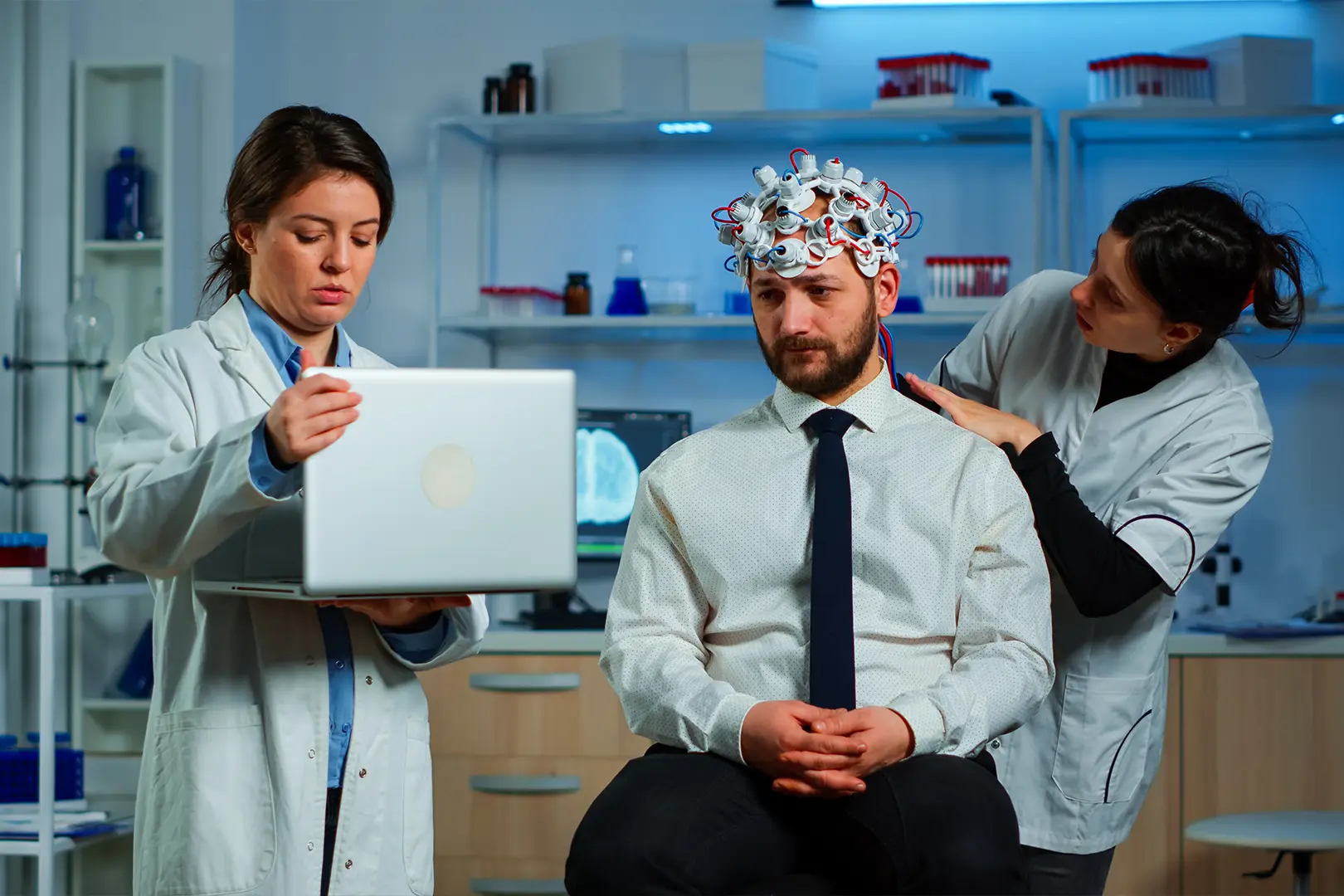
Electroencephalography (EEG) is a noninvasive diagnostic method that records the brain’s spontaneous electrical activity through electrodes. This examination reflects the brain’s functional status at a given moment rather than its structural characteristics. Therefore, despite advances in structural imaging techniques such as CT and MRI, EEG remains an important tool. Its value is even greater in clinical situations where no pathological findings are detected by structural imaging methods.
EEG is the most valuable diagnostic tool for establishing a diagnosis of epilepsy, classifying patients with a confirmed diagnosis, selecting appropriate treatment, determining prognosis, and monitoring disease course. It is the only definitive diagnostic method for nonconvulsive status epilepticus (NCSE), which is characterized solely by altered mental status. EEG also provides important clues in the diagnosis and follow-up of specific conditions such as slow virus diseases, herpes simplex encephalitis, and hepatic encephalopathy. In addition, EEG is used in the evaluation of sleep and sleep disorders and brain death.
A seizure is defined as a clinical condition resulting from sudden, transient, and abnormal electrical discharges in brain cells. However, not everyone who experiences an epileptic seizure has epilepsy. An individual may have a single epileptic seizure at some point in life. If seizures recur over time with certain characteristics specific to each patient—sometimes spontaneously and sometimes triggered by precipitating factors—a diagnosis of epilepsy is made. Epilepsy affects both sexes equally and is more commonly observed in children and elderly individuals. Epilepsy seen in childhood often resolves as the child grows and generally follows a benign course. However, some forms of epilepsy have distinct features and are chronic.
Epilepsy may occur without an identifiable cause, or it may be associated with:
- Genetic and developmental abnormalities
- Infections contracted during pregnancy
- Exposure to toxic substances
- Lack of oxygen to the baby during childbirth
- Postnatal brain infections such as meningitis
- Head trauma
- Prolonged and recurrent febrile seizures
- Heavy metal or carbon monoxide poisoning
- Brain tumors, stroke, and intracerebral hemorrhage
- Excessive alcohol consumption and metabolic disorders
Failure to take antiepileptic medications as prescribed, sleep deprivation, and irregular nutrition can trigger seizures.
The diagnosis and treatment of epilepsy require a multidisciplinary approach. Evaluation by expert neurologists in centers equipped with the necessary infrastructure for medical and surgical treatment, and staffed by specialists such as neurosurgeons, neuroradiologists, psychiatrists, and neuropsychologists, is appropriate. Treatment follows two main pathways: medical therapy and surgical intervention. Medication selection should be based on the patient’s age, comorbidities, and seizure type. Some patients may require long-term or even lifelong antiepileptic medication. The most critical aspect of drug therapy is regular and planned medication use. For treatment success, lifestyle modifications and attention to dietary habits are essential alongside medication. Epilepsy surgery is generally considered for patients with drug-resistant epilepsy.
Today, implementing additional supportive measures in epilepsy treatment significantly influences disease outcomes. Adjustments in dietary habits, lifestyle, and sleep patterns directly affect treatment efficacy. In our clinic, personalized epilepsy management and treatment are provided, and patients are followed accordingly.
 What Is Myasthenia Gravis?
Prev post
What Is Myasthenia Gravis?
Prev post